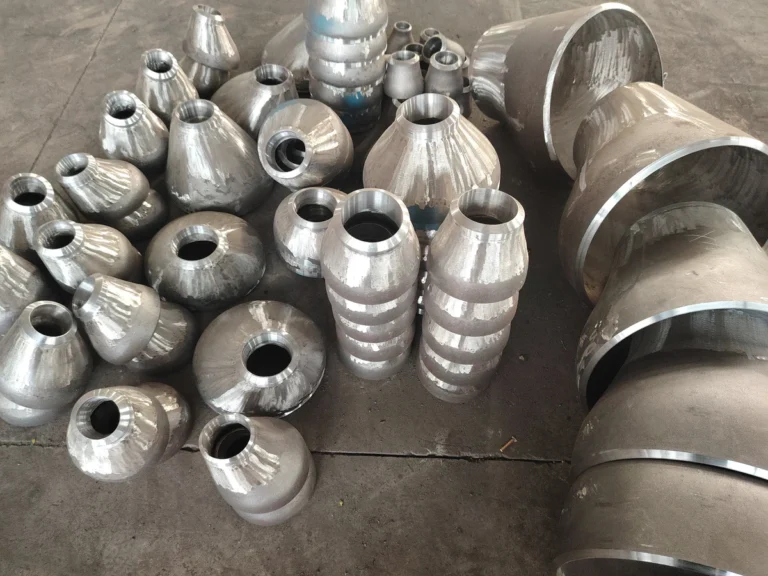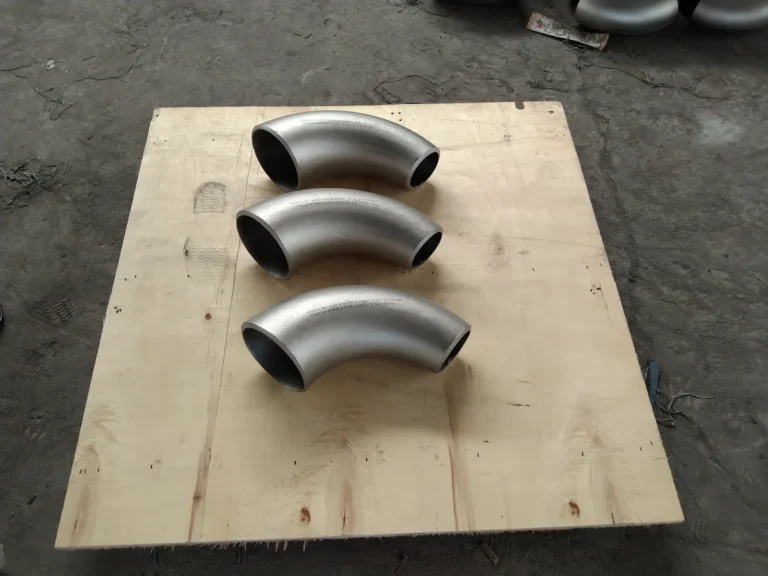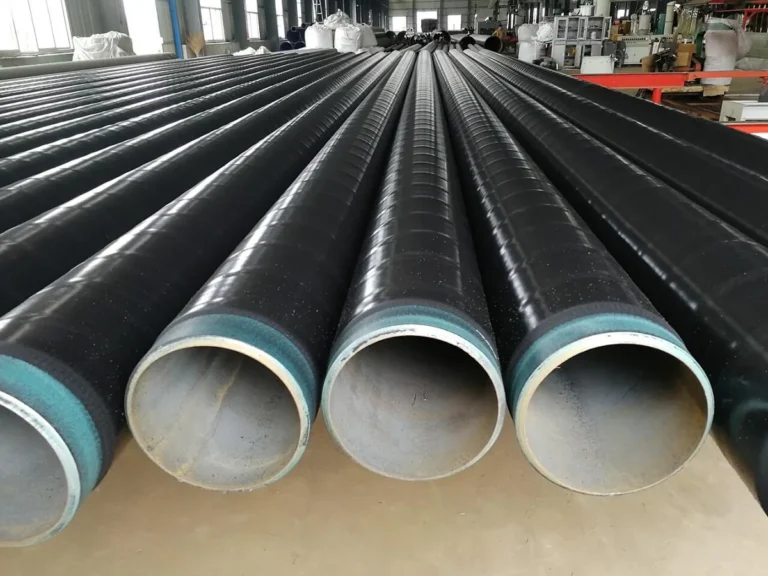
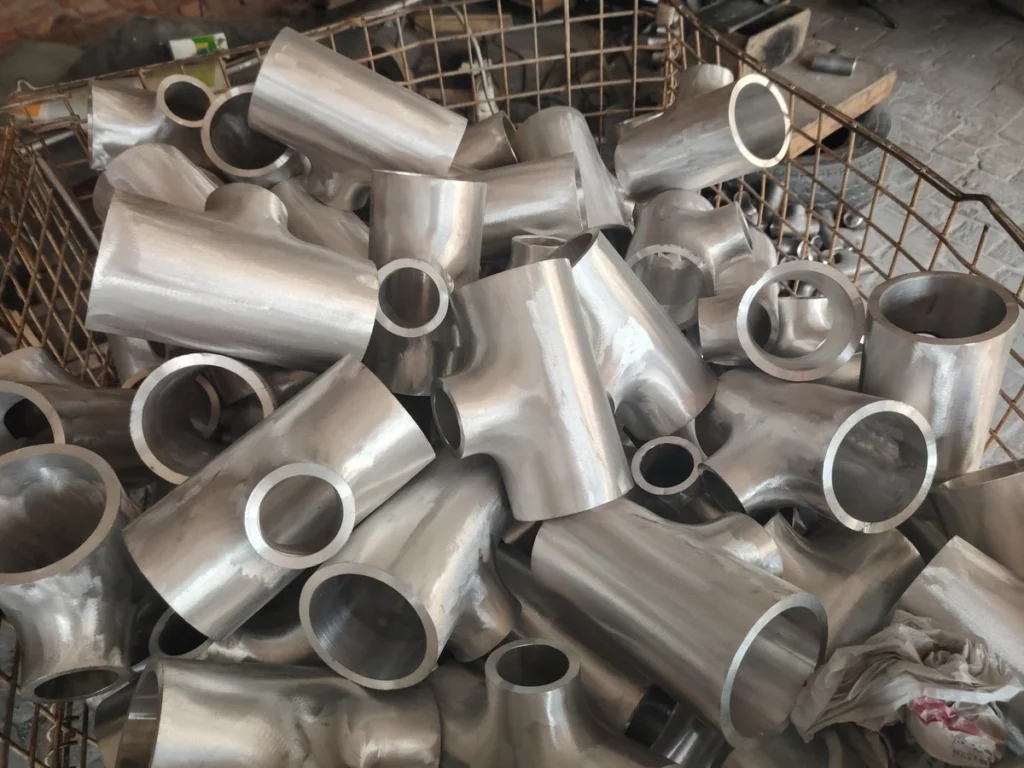
SS 316 Pipe Fittings are fittings made from stainless steel grade 316, which is a molybdenum-bearing austenitic stainless steel.
They are used in chemical, petrochemical and other piping systems when the specified grade, connection and dimensions are suitable for the service.
Select the fitting shape and connection method before confirming the material specification.
SS 316 Pipe Fittings include elbows, tees, reducers and caps for changes in direction, branching, size transitions and pipe-end closure.
Fittings connect and route piping; they do not by themselves regulate flow or pressure like control valves.
For a LeKe Piping quotation, provide the fitting type, end sizes, wall thickness or applicable pressure class, material specification and grade, connection, quantity and required inspection documents.
Seven points to check when selecting SS 316 pipe fittings:
- Corrosion suitability: Assess the actual medium, concentration, chloride content and temperature. The 316 designation alone does not establish suitability for every acid or chloride-containing service.
- Temperature and pressure: Confirm the permitted design conditions using the specific material grade, wall thickness, connection and applicable piping code. Do not treat a generic temperature figure as a pressure-service rating.
- Fabrication requirements: Machining, forming and welding are different operations. Specify the required manufacturing route, heat treatment and welding requirements for the ordered fitting.
- Surface condition: Specify the required finish and cleaning requirements. Suitability for hygienic service depends on the surface, joint design and cleaning process, not simply the 316 grade name.
- Service life: Durability depends on material selection, fabrication, operating conditions and maintenance. Confirm corrosion allowances and inspection requirements rather than assuming a fixed service life.
- Reuse assessment: Reuse is not automatic. Check service history, corrosion, damage, remaining dimensions and material traceability against project requirements before considering a used fitting.
- Documentation: Confirm the exact grade, governing standard and required certificate before ordering. Check that material identification and heat or lot references correspond to the delivered fittings; appearance alone does not verify grade.