Stainless steel flanges, ubiquitous components in the industrial sector, serve as the primary connection method in piping systems, with their quality directly impacting the safety and reliability of the entire pipeline infrastructure. Whether in chemical plants, water supply systems, or energy sectors, these disc-shaped connectors silently perform their crucial duties.
1. Flange Fundamentals: More Than Just a Connector
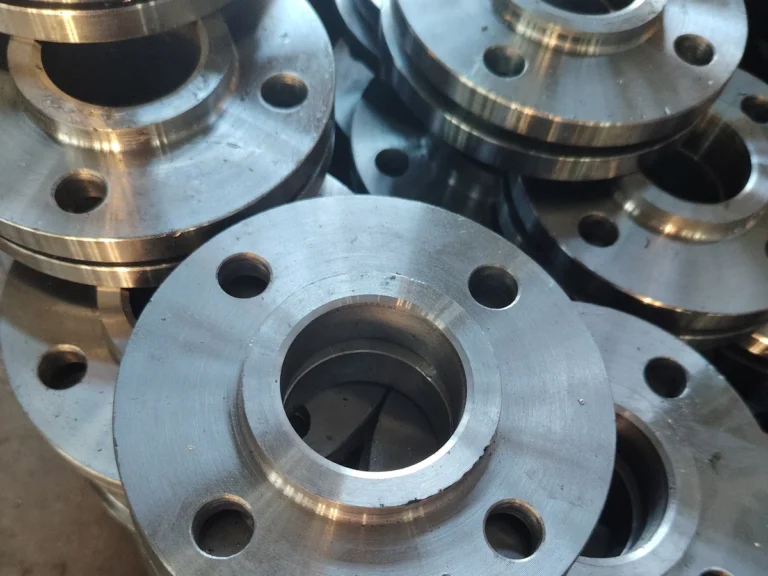
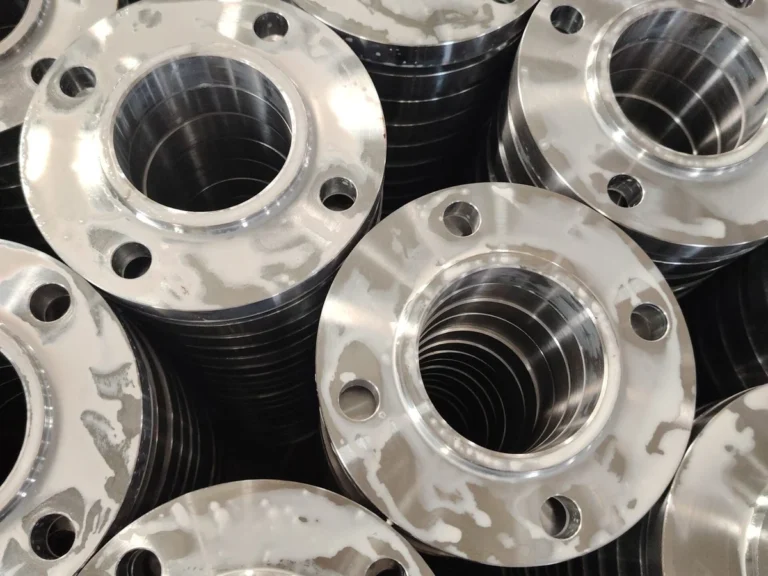
Flanges, also known as flange plates or collars, are components that connect pipes to other pipes or equipment. Featuring bolt holes that allow two flanges to be tightly joined with gaskets providing sealing, stainless steel flanges offer excellent corrosion resistance, high-pressure tolerance, and impermeability, along with smooth inner surfaces, reasonable cost, long service life, and easy installation.
A complete flange connection consists of three fundamental elements: the flange itself, sealing gaskets, and connecting bolts. Together, these form a reliable sealing system that enables convenient installation, disassembly, and maintenance of piping systems.
2. Key Characteristics of Stainless Steel Flanges
The exceptional material properties of stainless steel flanges make them the preferred choice for demanding environments:
Corrosion Resistance: Stainless steel material enables flanges to withstand various chemical erosions, extending pipeline system service life.
High-Pressure Capability: Confirm the allowable pressure at the design temperature for the specified material, flange type and applicable standard. A generic pressure range is not a rating for every stainless steel flange.
Temperature Adaptability: Stainless steel material maintains stable performance in both high and low-temperature environments.
Hygienic Properties: Non-toxic and pollution-free stainless steel flanges are suitable for food, pharmaceutical, and drinking water systems.
These characteristics make stainless steel flanges ideal for multiple industries including chemicals, petroleum, power generation, and water supply.
3. Diverse Types of Stainless Steel Flanges
Based on structure and connection methods, stainless steel flanges come in various types, each with unique application scenarios:
Plate Welding Flange (PL): Confirm the permitted size, pressure designation and service conditions in the applicable plate-flange standard and project specification.
Slip-On Welding Flange (SO): Features a low neck height that improves flange rigidity and load-bearing capacity.
Weld Neck Flange (WN): Known as “high-hub” flanges, they transfer stress to the pipes, reducing high stress concentration at the flange base.
Socket Welding Flange (SW): Features a counterbore matching the pipe size, allowing pipes to be inserted into the flange.
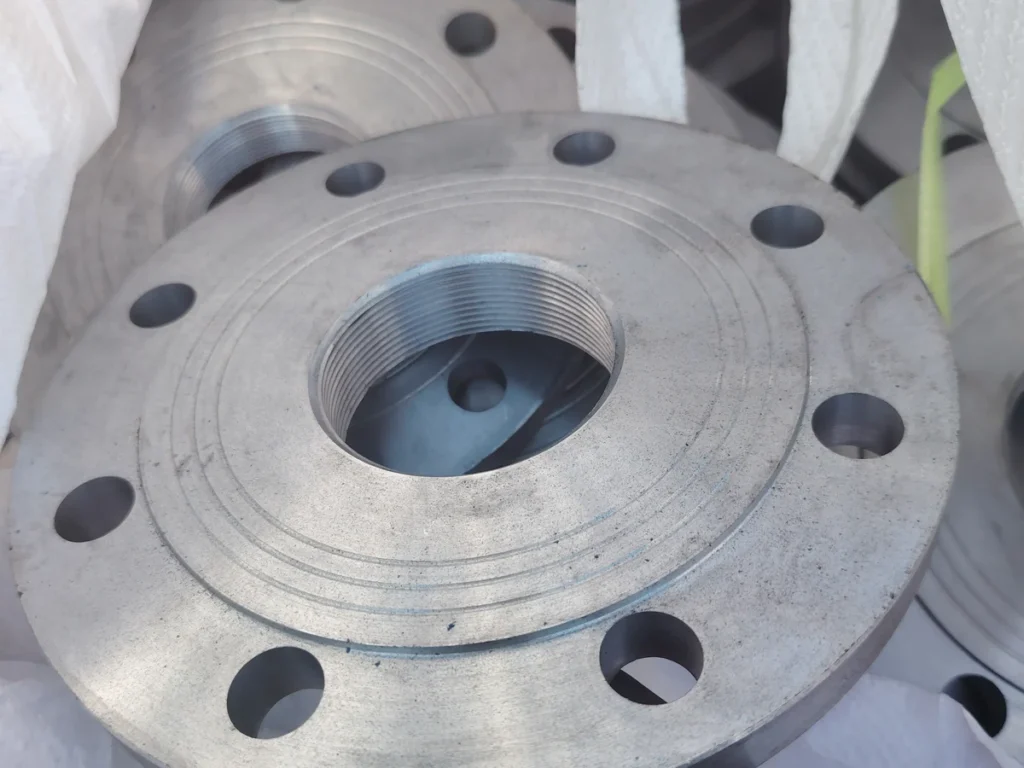
Threaded Flange (TH): Uses threads for connection, with the main advantage being assembly without welding.
Loose Flange: Includes welding neck loose flanges with loose collars and other variants designed for material savings.
Additional special types include blind flanges (for sealing pipe ends) and reducing flanges.
4. Manufacturing and Quality Standards
Stainless steel flange production primarily involves four processes: forging, casting, cutting, and rolling. Each method produces flanges suitable for different scenarios, with forged flanges typically offering better mechanical properties and tighter grain structure for high-pressure environments.
Common materials used in stainless steel flange production include 304, 304L, 316, and 316L, each with specific corrosion resistance and mechanical properties for different environments.
Flange production and inspection follow various standards including:
- Chinese National Standards: GB/T9112-2010 series
- American Standards: ANSI B16.5
- Chemical Industry Standards: HG20592-2009 series
- Mechanical Industry Standards: JB/T79-94 series
The newly implemented T/CECS 10363-2024 standard specifically addresses flanges and flange joints for thin-walled stainless steel pipes, specifying technical requirements for flanges with nominal sizes not exceeding DN300 and nominal pressures of PN10, PN16, PN25.
International standards continue to evolve, with ASTM A 961/A 961Mb:2024 specifying general requirements for steel flanges, forged fittings, valves, and piping components, while ASTM A182/A182M:2024 specifically addresses forged or rolled alloy and stainless steel pipe flanges for high-temperature service.
5. Sealing Design and Gasket Selection
The sealing performance of flange connections largely depends on proper gasket selection. Different gasket types are required based on medium, temperature, and pressure conditions:
Elastomer Gaskets: Select the elastomer grade using the gasket manufacturer’s compatibility and pressure-temperature data for the actual medium.
Non-Asbestos Sheet Gaskets: Confirm the sheet grade, thickness and service limits against the medium, flange facing and assembly requirements.
Metal-Clad Gaskets: Specify the metal jacket and filler material, together with the required dimensions and compatible facing.
Spiral-Wound Gaskets: Specify the winding metal, filler material and required ring configuration against the applicable gasket standard and service conditions.
Metal Gaskets: Match the gasket material, profile and dimensions to the specified flange facing and applicable design requirements.
Flange sealing face types also vary, including flat face (FF), raised face (RF), male-female face (MFM), tongue-groove face (TG), and ring joint face (RJ), each suitable for different working conditions and sealing requirements.
6. Installation and Usage Guidelines
Use the approved assembly procedure for the actual flange and joint design. The following are checks to confirm before installation, not a universal installation sequence:
Preparation: Inspect and clean the mating faces, and confirm the flange, gasket and bolting match the approved specification.
Pipe End Treatment: Confirm the pipe-end preparation and alignment for the selected flange type. Pipe-end flaring applies only where required by the specific connection design.
Gasket Installation: Use the specified gasket or sealing element and follow its installation instructions. Grooved plates and O-rings are design-specific features, not requirements for all flange joints.
Bolt Tightening: Follow the approved tightening method, sequence and specified bolt-load or torque requirements for the actual joint and lubrication conditions.
Special attention is also required during welding:
- Use the applicable qualified welding procedure; select current, heat input and interpass conditions for the material, thickness, process and joint design.
- Store and handle welding consumables according to the manufacturer’s instructions and the approved welding procedure.
- Confirm any requirements for shielding, cleaning, weld inspection and post-weld treatment in the project specification and welding procedure.
7. Application Fields and Quotation Requirements
Stainless steel flanges find extensive applications across multiple industries:
- Chemical equipment, pressure vessels, and pipeline engineering
- Boiler pressure vessels, petroleum, chemical, shipbuilding, pharmaceutical, metallurgy, machinery, and food industries
- Water conservancy, power generation, power stations, pipeline components, industry, and pressure vessels
- Fire protection, gas, hot and cold water, air conditioning, air compression pipes, oil pipes, instrumentation, and hydraulic pipes
For a comparable quotation, provide the product specification and delivery scope rather than relying on a price for nominal size alone:
- Specify flange type, standard and edition, nominal size, pressure designation, facing and material grade.
- Include the connecting pipe dimensions, quantity, drawings and any special machining or inspection requirements.
- State the required documentation, packaging, delivery destination and requested delivery date.
Compare quotations on the same material, technical requirements, quantity and delivery terms. Confirm current price and availability for the specified order with LeKe Piping.
8. Development Trends and Innovations
The stainless steel flange industry continues to innovate, introducing new materials, processes, and technologies. The newly implemented 2024 standard for flanges and flange joints for thin-walled stainless steel pipes provides clear guidance for the design, manufacture, and acceptance of flanges with nominal sizes not exceeding DN300 and nominal pressures of PN10, PN16, PN25.
The industry is also working to address limitations of traditional flanges. For instance, conventional stainless steel flanges often use fixed clamping rings when connecting external pipes, which may damage pipe outer walls and shorten service life.
New designs incorporate detection components, sealing elements, and silicone gaskets, enabling timely leak detection by monitoring fluid appearance at potential leakage points.
As industrial development demands higher safety, environmental protection, and efficiency standards, technological innovation and standard updates for stainless steel flanges will continue advancing to meet more challenging working conditions and stricter safety requirements.
The future development of stainless steel flanges will increasingly focus on innovations in materials science to adapt to more demanding working conditions; improvements in sealing technology to enhance system safety and reliability; integration of standardization and customization to meet special industry requirements; and incorporation of intelligent monitoring functions to enable predictive maintenance.
With the advancement of Industry 4.0 and smart manufacturing, the development of stainless steel flanges as critical components of industrial piping systems will be closely linked to progress throughout the entire industrial ecosystem.