In harsh environments of corrosion and high pressure, a reliable connecting component can determine the success or failure of an entire system.
Stainless steel flanges might not be the most eye-catching components in piping systems, but they are indeed the silent guardians connecting the entire system. Especially in demanding working environments, material selection becomes crucial, and Stainless Steel 316L Flanges have become the preferred choice for numerous industries thanks to their exceptional performance.
Why Choose 316L Stainless Steel Flanges?
The preference for 316L stainless steel flanges stems from their unique material properties. Compared to ordinary stainless steel, 316L stainless steel contains 2%-3% molybdenum, an addition that significantly enhances the material’s resistance to pitting and crevice corrosion in chloride environments.
Molybdenum improves resistance to localized corrosion compared with 304, but 316L can still suffer pitting and crevice corrosion. Assess chloride concentration, temperature, deposits, stagnant conditions and cleaning practices before selecting it for coastal or process service.
The ultra-low carbon content of 316L (maximum 0.03% carbon for Type 316L) reduces susceptibility to sensitization during welding. Verify the supplied flange grade against the applicable material specification and certificate. Low carbon content does not replace a qualified welding procedure or suitable post-weld cleaning.
For elevated-temperature service, evaluate material-specific allowable properties and applicable pressure-temperature ratings. The 316L designation alone does not establish allowable operating temperature or pressure; select the grade and flange class to meet the governing design code and service conditions.
Wide Application Fields: From Deep Sea to Dining Table
316L stainless steel flanges may be considered in the following applications when the material and connection meet the project requirements:
Chemical Processing Industry: Evaluate the actual chemicals, concentrations, contaminants and temperatures. Suitability for one process fluid does not establish resistance to every chemical handled in a plant.
Marine and Coastal Environments: Distinguish coastal atmospheric exposure from continuous seawater contact. 316L is not universally suitable for seawater: chloride levels, temperature, crevices, deposits and stagnant conditions can make more corrosion-resistant materials necessary.
Food and Pharmaceutical Industries: Confirm compatibility with the product and cleaning chemicals, together with specified surface finish, hygienic joint design and cleaning requirements. The material grade alone does not establish sanitary compliance or product safety.
Water Treatment Systems: Review water chemistry, chlorides, temperature, disinfectants and stagnation. Do not assume that a grade suitable for treated freshwater is also suitable for seawater or concentrated brine in a desalination plant.
Construction and Power Industries: Select the flange material, type and pressure class against the piping design, operating environment and applicable pressure-temperature limits. Gasket, bolting and assembly requirements must also be specified.
Correct Selection: More Than Just Price
Choosing the right 316L stainless steel flange isn’t simply a matter of price consideration but requires comprehensive evaluation of multiple factors:
Pressure Rating Certification: Specify the flange standard, edition and applicable series, then check its material-specific pressure-temperature ratings. PN and Class are designations, not interchangeable pressure values or standalone certification.
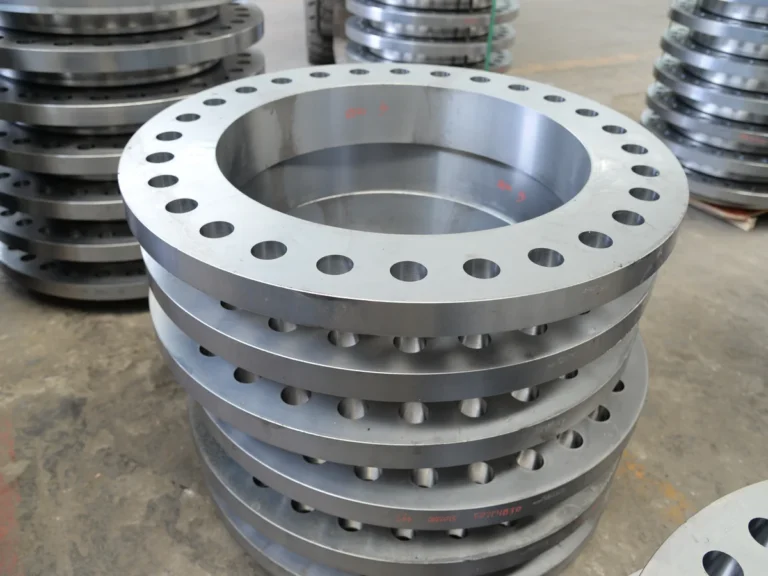
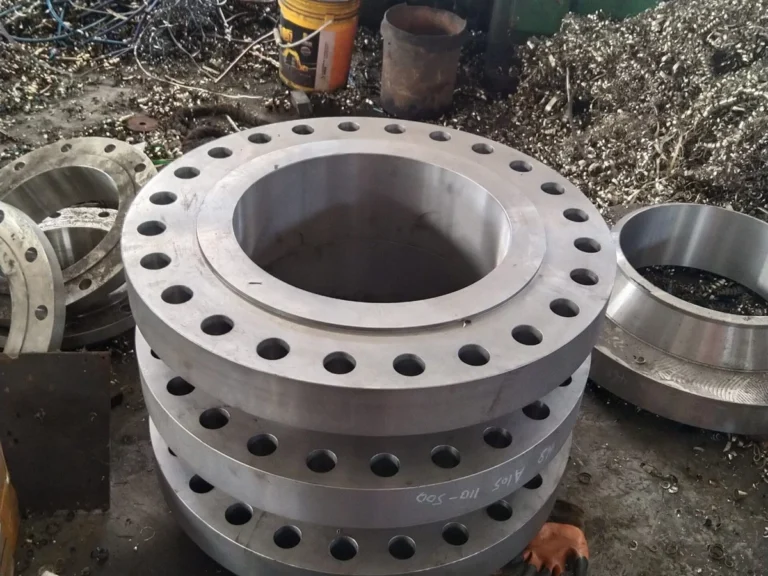
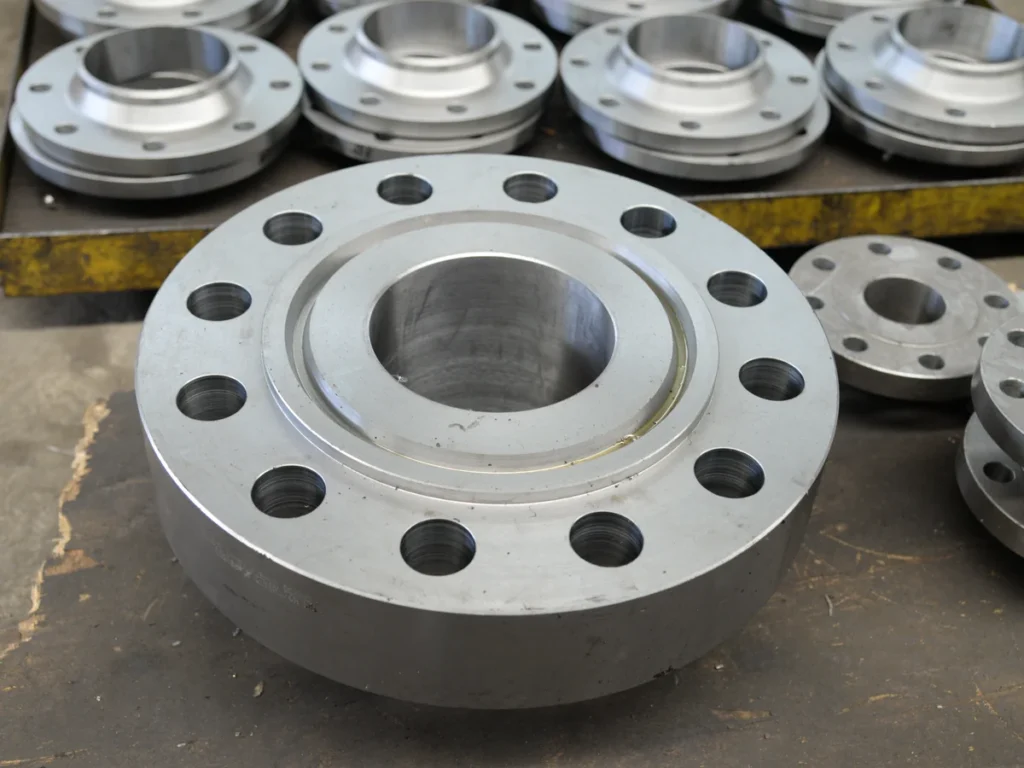
Structural Type Matching: Select the most suitable flange structural type according to specific application scenarios, such as Weld Neck Flanges (WN), Plate Flanges (PL), or Threaded Flanges. Each structure has its specific advantages and applicable scenarios.
Dimensional Accuracy: Confirm mating flange dimensions, facing, bolt pattern and applicable tolerances. For weld neck flanges, specify connecting pipe outside diameter and wall thickness or schedule, flange bore and weld-end requirements.
Surface Treatment Quality: Check sealing-face condition and the specified gasket-contact finish against the flange standard and gasket requirements. A smoother or polished face is not automatically the correct sealing finish.
Material Certification Documents: Request certificates identifying the applicable material specification, grade and heat number. Verify the required chemistry, mechanical properties, heat treatment and traceability rather than checking carbon and molybdenum alone.
Professional Installation & Maintenance: Critical Steps Cannot Be Ignored
Even with high-quality 316L stainless steel flanges selected, incorrect installation and maintenance can seriously affect their performance and service life. Here are several key considerations:
Pre-installation Inspection: Before installation, carefully check flange sealing surfaces and gaskets to ensure there are no defects affecting sealing performance, and remove protective grease and dirt from flange sealing surfaces.
Bolting Techniques: Confirm alignment, fasteners, gasket and lubrication before tightening. Use an approved joint assembly procedure, with ASME PCC-1 where applicable, that defines the tightening method, sequence, passes and target load or torque:
- Step 1: Inspect flange alignment and sealing faces; resolve unacceptable misalignment before assembly
- Step 2: Confirm the specified gasket, fastener grades, engagement and lubrication condition
- Step 3: Confirm the approved target bolt load or torque and suitable calibrated tools
- Step 4: Follow the tightening sequence and staged passes defined for the actual joint
- Step 5: Complete the prescribed final checks and record the assembly results
These points are an assembly checklist, not a universal tightening procedure. Target torque depends on the joint components and friction conditions; fixed percentages without an approved target are not sufficient installation instructions.
Regular Maintenance Checks: Although 316L stainless steel flanges have exceptional durability, regular inspection and maintenance remain essential. We recommend establishing a regular inspection system including:
- Checking whether flange connection tightness remains good
- Inspecting sealing faces for wear and corrosion during planned disassembly after isolation, depressurization and safe access
- Checking bolts for loosening or corrosion signs
- Following the site procedure for leakage, cleaning and repair; do not use this article as authorization to retighten a hot or pressurized joint
Proper Storage: For spare flanges, conduct regular inspections, keep exposed processed surfaces clean, remove dirt, and store neatly indoors in dry, ventilated areas—strictly prohibit stacking or outdoor storage.
Future Outlook: Continuous Evolution of 316L Flanges
With advancements in materials science and manufacturing technology, 316L stainless steel flanges continue to develop. New manufacturing processes and surface treatment technologies further enhance their corrosion resistance and service life.
Meanwhile, as industrial sectors increasingly emphasize safety and environmental requirements, the reliability and durability of 316L flanges will receive even more attention.
Long-term performance depends on appropriate material selection, compliant manufacture, correct assembly and maintenance. Specify the actual service conditions and required verification instead of relying on the grade name as a guarantee of safety or service life.
For a 316L flange quotation, send the flange type, size, material specification and grade, flange standard and edition, applicable series, pressure class or PN designation, facing, and quantity. Include connecting pipe dimensions and bore where applicable, design pressure and temperature, service medium, drawing revision, destination, and inspection or documentation requirements.