ASTM A234 Pipe Fittings: Complete Guide to WPB, WPC, WP5, WP9, WP11, WP22, WP91 and WP911 Grades
ASTM A234 is the standard specification covering wrought carbon steel and alloy steel pipe fittings for moderate and high-temperature service. It applies to butt weld elbows, tees, reducers, caps, crosses, and other fittings used in pressure piping systems throughout the oil and gas, petrochemical, refinery, power generation, LNG, and industrial processing industries.
The most commonly used grade is ASTM A234 WPB, while alloy grades such as WP11, WP22, WP5, WP9, WP91, and WP911 are selected for elevated-temperature and high-pressure applications requiring enhanced creep resistance, oxidation resistance, and long-term reliability.
Frequently Asked Questions at a Glance
What is ASTM A234?
ASTM A234 is the material specification for wrought carbon steel and alloy steel pipe fittings intended for moderate and elevated temperature service.
What does WPB mean in ASTM A234?
WPB is the most widely used carbon steel grade in ASTM A234. It offers an excellent balance of strength, weldability, availability, and cost-effectiveness.
What is ASTM A234 WP11 used for?
WP11 fittings are commonly used in boilers, steam pipelines, refinery heaters, and power generation facilities operating at elevated temperatures.
What is the difference between WP11 and WP22?
WP22 has higher nominal chromium and molybdenum content than WP11. Selection requires the specified grade and class, design temperature, allowable stress and service assessment; neither grade is automatically suitable for hydrogen service.
What industries use ASTM A234 fittings?
Oil and gas, petrochemical, refining, LNG, power generation, offshore platforms, fertilizer plants, and industrial processing facilities all rely on ASTM A234 fittings.
What Is ASTM A234?
ASTM A234 (also adopted as ASME SA234) is the internationally recognized specification covering wrought carbon steel and alloy steel pipe fittings manufactured from seamless or welded products. The standard defines material requirements, chemical composition, mechanical properties, heat treatment conditions, testing requirements, and marking requirements for pressure piping applications.
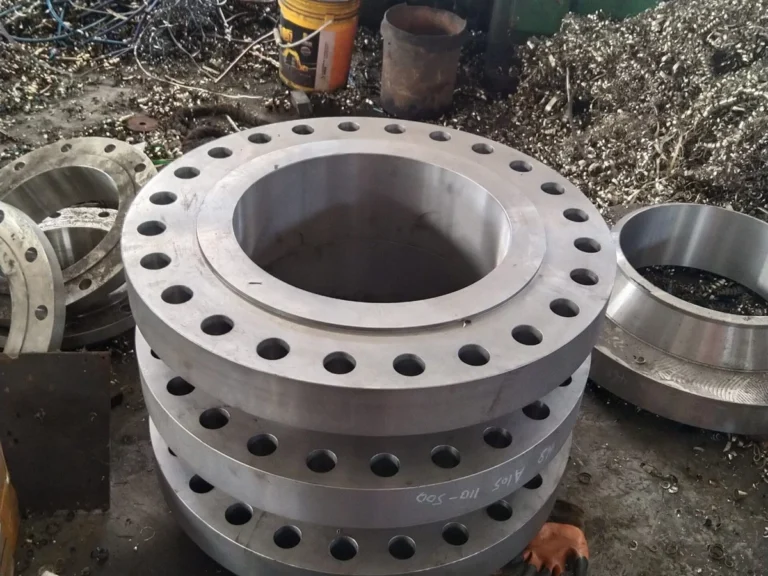
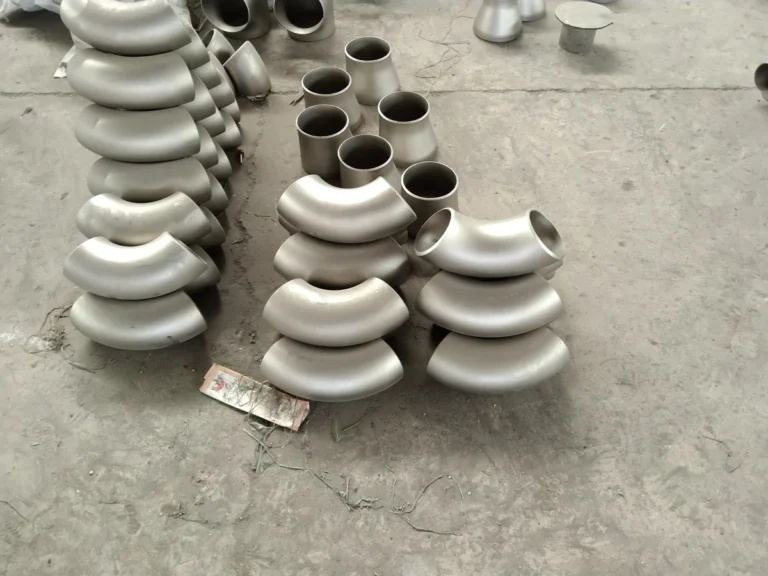
ASTM A234 fittings are essential components in piping systems where flow direction changes, branch connections, size transitions, or end closures are required. Common fitting types include:
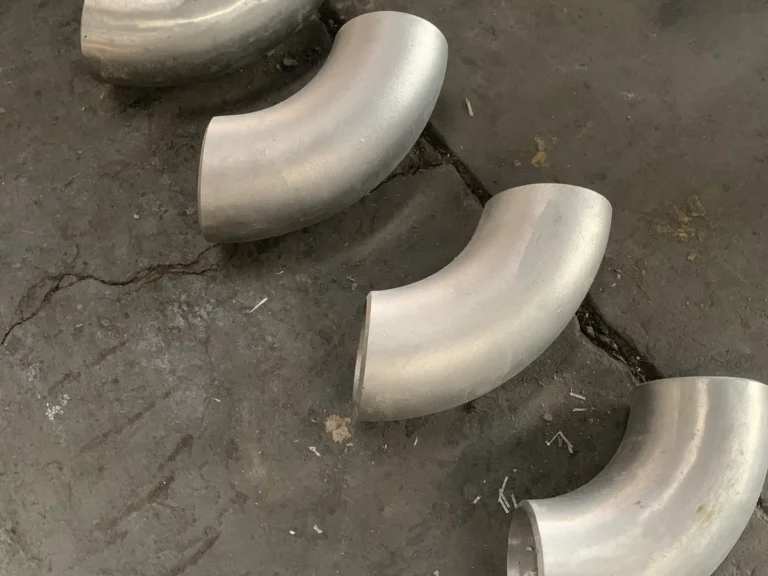
- 90° Elbows
- 45° Elbows
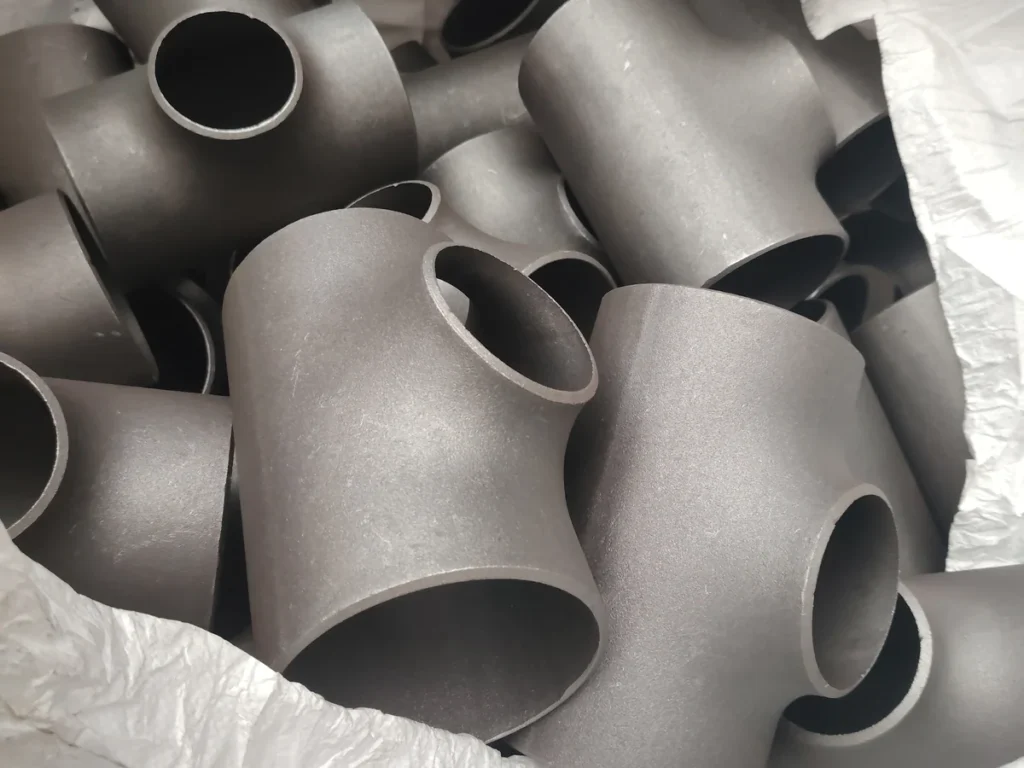
- Equal Tees
- Reducing Tees
- Concentric Reducers
- Eccentric Reducers
- Pipe Caps
- Crosses
- Swage Nipples
Select the dimensional standard for the fitting type and project, such as ASME B16.9 for factory-made wrought butt-welding fittings. Confirm the applicable ASTM A234/A234M edition and its referenced standards; the standards are not interchangeable or all applicable to every fitting.
Why ASTM A234 Matters
For EPC contractors, engineering companies, project owners, and industrial distributors, ASTM A234 provides a standardized material framework that ensures:
- Reliable mechanical performance
- Consistent material quality
- Global project compliance
- Excellent weldability
- Long service life under pressure
- Compatibility with ASME piping systems
ASTM A234 Grades Overview
ASTM A234 includes both carbon steel and chromium-molybdenum alloy steel grades designed for different temperature and pressure requirements.
| Grade | Material Type | Typical Application |
|---|---|---|
| WPB | Carbon Steel | General Process Piping |
| WPC | Higher Strength Carbon Steel | Heavy-Duty Applications |
| WP11 | 1.25Cr-0.5Mo | Steam Systems & Boilers |
| WP22 | 2.25Cr-1Mo | Refineries & Hydrogen Service |
| WP5 | 5Cr-0.5Mo | High Sulfur Refinery Units |
| WP9 | 9Cr-1Mo | Superheaters & Steam Headers |
| WP91 | 9Cr-1Mo-V | Ultra-Supercritical Boilers |
| WP911 | 9Cr-1Mo-W | Advanced Creep-Resistant Systems |
ASTM A234 WPB: The Most Widely Used Carbon Steel Pipe Fitting Grade
ASTM A234 WPB is the most commonly specified carbon steel fitting grade for pressure piping systems worldwide. Due to its excellent combination of mechanical strength, weldability, availability, and cost efficiency, WPB has become the industry standard for general-purpose industrial piping.
WPB fittings are designed for moderate and elevated temperature service and are extensively used in oil and gas facilities, refineries, petrochemical plants, power stations, water treatment facilities, and industrial manufacturing systems.
Key Advantages of ASTM A234 WPB
- Excellent weldability and fabrication performance
- Reliable mechanical properties under pressure
- Cost-effective solution for large projects
- Widely accepted by international EPC specifications
- Available in virtually all standard fitting configurations
Typical Applications
- Process piping systems
- Oil and gas transmission pipelines
- Refinery utility systems
- Industrial water systems
- Power generation facilities
- General industrial services
ASTM A234 WPC: Higher-Strength Carbon Steel Alternative
ASTM A234 WPC is a carbon steel fitting grade offering higher tensile and yield strength than WPB. Although less commonly specified than WPB, WPC is selected for applications where additional mechanical performance is required while maintaining the economic advantages of carbon steel.
WPC has different strength requirements from WPB, but allowable pressure also depends on dimensions, design temperature and the applicable code. Do not substitute WPC for WPB solely on the basis of strength.
Benefits of WPC Fittings
- Higher tensile strength than WPB
- Improved yield strength
- Suitable for more demanding pressure applications
- Good weldability and fabrication characteristics
- Cost-effective compared with alloy steel grades
Common Applications
- High-pressure process systems
- Industrial utility piping
- Chemical processing facilities
- Heavy-duty mechanical services
ASTM A234 WP11: Alloy Steel for Elevated Temperature Service
ASTM A234 WP11 is a chromium-molybdenum alloy steel grade containing approximately 1.25% chromium and 0.5% molybdenum. It is specifically developed for elevated-temperature service where carbon steel materials may experience strength reduction or creep deformation over extended operating periods.
WP11 fittings are widely used throughout power generation, petrochemical processing, refinery operations, and steam distribution systems.
Why Choose WP11?
- Enhanced high-temperature strength
- Improved oxidation resistance
- Excellent creep resistance
- Long-term thermal stability
- Reliable performance in steam systems
Typical Applications
- Boiler piping systems
- High-pressure steam lines
- Heat recovery units
- Refinery heaters
- Thermal power plants
- Petrochemical processing facilities
WP11 is often considered the entry-level Cr-Mo alloy grade for high-temperature service and remains one of the most widely specified alloy steel fitting materials worldwide.
ASTM A234 WP22: Enhanced Resistance for Severe Service Conditions
ASTM A234 WP22 is nominally a 2.25Cr-1Mo grade. For high-temperature hydrogen service, assess temperature, hydrogen partial pressure, metallurgy and heat treatment using the applicable API RP 941 guidance and project requirements.
WP22 is commonly selected for critical refinery and petrochemical applications operating under severe thermal and pressure conditions.
Key Benefits
- Superior high-temperature strength
- Excellent creep resistance
- Enhanced oxidation resistance
- Improved hydrogen attack resistance
- Long service life in demanding environments
Common Applications
- Hydrogen service piping
- Hydrocracking units
- Catalytic reformers
- Refinery process heaters
- High-pressure steam systems
ASTM A234 WP5: Alloy Steel for Refinery and High-Sulfur Applications
ASTM A234 WP5 is a 5% chromium alloy steel grade developed for elevated-temperature service requiring enhanced corrosion resistance and oxidation protection.
WP5 fittings are frequently used in refinery units processing sulfur-containing streams and other aggressive hydrocarbon environments.
Advantages of WP5
- Higher chromium content
- Improved corrosion resistance
- Excellent oxidation resistance
- Good elevated-temperature strength
- Proven refinery performance
Common Applications
- Refinery process piping
- Sulfur recovery units
- Crude oil processing systems
- Petrochemical facilities
ASTM A234 WP9: Premium Alloy Steel for High-Temperature Steam Systems
ASTM A234 WP9 is a 9Cr-1Mo alloy steel grade offering exceptional resistance to high-temperature oxidation and long-term creep deformation.
WP9 fittings are commonly selected for critical steam systems, superheaters, headers, and thermal power generation facilities operating under severe thermal conditions.
Key Features
- Outstanding high-temperature performance
- Excellent oxidation resistance
- Superior creep strength
- Long service life
- Reliable operation in critical power applications
Typical Applications
- Superheater piping
- Steam headers
- Power plant piping systems
- Heat recovery steam generators
- Industrial furnace systems
ASTM A234 WP91 and WP911: Advanced Materials for Ultra-Supercritical Power Plants
ASTM A234 WP91 and WP911 represent advanced creep-resistant alloy steel grades engineered for the most demanding high-temperature and high-pressure applications in modern power generation facilities.
These materials are specifically designed for ultra-supercritical boiler systems where conventional alloy steels cannot provide sufficient long-term performance.
Advantages of WP91 and WP911
- Exceptional creep resistance
- Outstanding high-temperature strength
- Improved thermal fatigue resistance
- Extended operational lifespan
- Reduced maintenance requirements
Typical Applications
- Ultra-supercritical boilers
- Main steam piping
- Hot reheat piping
- Advanced thermal power stations
- Critical pressure-retaining systems
ASTM A234 Grade Comparison Guide
Selecting the correct ASTM A234 fitting grade is essential for ensuring system reliability, safety, operating efficiency, and long-term asset performance. While all ASTM A234 grades are designed for pressure piping systems, each grade offers different mechanical properties, temperature capabilities, and corrosion resistance characteristics.
ASTM A234 WPB vs WPC
WPB and WPC are both carbon steel fitting grades. The primary difference lies in mechanical strength. WPC provides higher tensile and yield strength, making it suitable for applications requiring greater structural performance.
| Feature | WPB | WPC |
|---|---|---|
| Material Type | Carbon Steel | Carbon Steel |
| Strength | Standard | Higher |
| Cost | Lower | Moderate |
| Availability | Verify service limits | Limited |
| Typical Use | General Piping | Heavy-Duty Systems |
When Should You Choose WPB?
- General industrial piping projects
- Oil and gas transportation systems
- Utility services
- Projects prioritizing cost efficiency
When Should You Choose WPC?
- Higher-pressure applications
- Mechanical load-bearing systems
- Projects requiring enhanced strength
ASTM A234 WPB vs WP11
This is one of the most frequently asked questions among engineers and procurement professionals. The decision typically depends on operating temperature and long-term service conditions.
| Feature | WPB | WP11 |
|---|---|---|
| Material | Carbon Steel | 1.25Cr-0.5Mo Alloy Steel |
| Temperature Capability | Moderate | High |
| Creep Resistance | Limited | Verify service limits |
| Oxidation Resistance | Moderate | Enhanced |
| Cost | Lower | Higher |
Choose WPB for general process piping. Choose WP11 when elevated temperature, steam service, or long-term thermal exposure becomes a design consideration.
ASTM A234 WP11 vs WP22
WP11 and WP22 are chromium-molybdenum alloy grades with different nominal compositions. Compare the specified class, heat treatment and code allowable stresses. Hydrogen-service selection requires an assessment of temperature and hydrogen partial pressure.
| Feature | WP11 | WP22 |
|---|---|---|
| Chromium Content | 1.25% | 2.25% |
| Molybdenum Content | 0.5% | 1.0% |
| Hydrogen Service Assessment | Service-dependent | Verify service limits |
| High-Temperature Performance | Check allowable stress | Check service limits |
| Typical Use | Steam Systems | Hydrogen Units |
Review WP22 Selection Against:
- Hydrogen partial pressure and operating temperature
- The project materials specification
- Code allowable stresses at design temperature
- Heat treatment, welding and design-life requirements
ASTM A234 WP5 vs WP9
Both WP5 and WP9 are chromium-molybdenum alloy steels. However, WP9 contains significantly higher chromium content, making it more suitable for high-temperature steam and power generation applications.
| Feature | WP5 | WP9 |
|---|---|---|
| Chromium Content | 5% | 9% |
| Oxidation Resistance | Verify service limits | Outstanding |
| Steam Service | Service-dependent | Check service limits |
| Power Plant Applications | Moderate | Extensive |
ASTM A234 WP91 vs WP911
Both WP91 and WP911 are advanced creep-resistant alloy steel grades developed for ultra-supercritical power generation systems. WP911 incorporates tungsten additions that further enhance long-term creep resistance.
| Feature | WP91 | WP911 |
|---|---|---|
| Base Alloy | 9Cr-1Mo-V | 9Cr-1Mo-W |
| Creep Resistance | Verify service limits | Enhanced |
| Power Generation Use | Extensive | Advanced Systems |
How to Select the Right ASTM A234 Grade
| Operating Condition | Candidate Grade — Verify Service |
|---|---|
| General Industrial Piping | WPB |
| Higher Strength Carbon Steel Service | WPC |
| Steam and Boiler Systems | WP11 |
| Hydrogen Processing Units | WP22 |
| Sulfur-Rich Refinery Service | WP5 |
| High-Temperature Steam Systems | WP9 |
| Ultra-Supercritical Boilers | WP91 / WP911 |
Material selection should always consider operating temperature, pressure, corrosion environment, design life, applicable codes, and project specifications. Consulting with experienced piping engineers and material specialists can help ensure optimal grade selection and long-term system reliability.
Chemical Composition Requirements
The chemistry table is a partial reference, not a complete acceptance specification. Confirm all element limits, lower and upper bounds, class-dependent provisions and footnotes in the specified edition. A dash does not mean an element is absent or unrestricted.
Selected Chemistry Reference — Verify Edition and Class
| Grade | Carbon (%) | Chromium (%) | Molybdenum (%) |
|---|---|---|---|
| WPB | ≤0.30 | — | — |
| WP11 | ≤0.15 | 1.00–1.50 | 0.44–0.65 |
| WP22 | ≤0.15 | 2.00–2.50 | 0.87–1.13 |
| WP5 | ≤0.15 | 4.00–6.00 | 0.45–0.65 |
| WP9 | ≤0.15 | 8.00–10.00 | 0.90–1.10 |
| WP91 | ≤0.12 | 8.00–9.50 | 0.85–1.05 |
Mechanical Properties
Specify the ASTM A234/A234M edition, grade and class where applicable. Mechanical acceptance limits depend on those requirements and the applicable test provisions; a generic grade-only table is not a purchase specification.
Mechanical Requirements to Confirm by Grade
| Grade | Tensile Strength | Yield Strength | Elongation |
|---|---|---|---|
| WPB | Per specified edition/class | Per specified edition/class | Per test provisions |
| WPC | Per specified edition/class | Per specified edition/class | Per test provisions |
| WP11 | Per specified edition/class | Per specified edition/class | Per test provisions |
| WP22 | Per specified edition/class | Per specified edition/class | Per test provisions |
| WP91 | Per specified edition/class | Per specified edition/class | Per test provisions |
Confirm tensile and yield limits, elongation requirements, specimen orientation and any thickness-related provisions in the purchase edition. Grade strength alone does not establish the pressure rating of a fitting or permit substitution.
Manufacturing Process of ASTM A234 Pipe Fittings
ASTM A234 fittings are manufactured from seamless pipe, welded pipe, plate, forgings, or tubular products through controlled forming processes.
Typical Manufacturing Steps
- Raw material inspection
- Material identification and traceability verification
- Cutting and preparation
- Hot forming or cold forming
- Heat treatment
- Dimensional inspection
- Non-destructive examination
- Mechanical testing
- Marking and traceability control
- Final inspection and shipment
Heat Treatment Requirements
Heat treatment is essential for achieving the required microstructure, mechanical properties, and long-term service performance specified by ASTM A234.
Common Heat Treatment Methods
| Method | Purpose |
|---|---|
| Normalizing | Refines grain structure |
| Normalizing & Tempering | Improves toughness and strength |
| Annealing | Relieves internal stress |
| Quenching & Tempering | Produces high strength alloy grades |
Inspection and Testing Requirements
Quality assurance is a critical aspect of ASTM A234 fitting production. Every fitting must meet dimensional, chemical, mechanical, and visual inspection requirements before shipment.
Standard Inspection Program
- Visual Inspection
- Dimensional Verification
- Chemical Analysis
- Tensile Testing
- Hardness Testing
- Impact Testing (when specified)
- Heat Treatment Verification
- Marking Verification
Non-Destructive Examination (NDE)
For critical projects, additional non-destructive examination may be required to verify internal and surface integrity.
| Inspection Method | Purpose |
|---|---|
| UT | Internal flaw detection |
| RT | Weld integrity examination |
| MT | Surface crack detection |
| PT | Surface discontinuity detection |
| PMI | Material grade verification |
Material Certification and Documentation
Project owners and EPC contractors typically require complete documentation packages to verify material compliance and traceability.
Documentation to Specify at Enquiry
- EN 10204 3.1 Material Test Certificate
- Chemical Analysis Report
- Mechanical Test Report
- Heat Treatment Report
- PMI Report
- NDE Reports
- Dimensional Inspection Report
- Packing List
- Certificate of Conformity
Industries Using ASTM A234 Pipe Fittings
ASTM A234 pipe fittings are widely used in pressure piping systems across numerous industrial sectors. Their proven mechanical performance, weldability, and compliance with international piping codes make them one of the most commonly specified fitting materials worldwide.
Oil & Gas
Gathering systems, transmission pipelines, processing facilities, and export terminals.
Petrochemical Plants
Process piping systems handling hydrocarbons, chemicals, and high-temperature fluids.
Refineries
Hydrocrackers, reformers, sulfur recovery units, and process heaters.
Power Generation
Steam piping, boiler systems, superheaters, and turbine auxiliaries.
LNG Facilities
Selected utility or process lines within LNG facilities, subject to design approval. Use in an LNG facility does not establish suitability for cryogenic LNG service; confirm minimum design temperature, toughness and the specified material.
Offshore Platforms
Produced fluid systems, utilities, and critical process piping.
Candidate Grade — Verify Service Selection by Service Condition
| Service Condition | Candidate Grade — Verify Service |
|---|---|
| General Industrial Service | WPB |
| Higher Mechanical Strength | WPC |
| Steam and Boiler Systems | WP11 |
| Hydrogen Service | WP22 |
| Refinery High Sulfur Environment | WP5 |
| High-Temperature Steam Headers | WP9 |
| Ultra-Supercritical Boilers | WP91 / WP911 |
Why Choose Leke Piping for ASTM A234 Pipe Fittings?
- Grade and Size Review
Submit the required grade, class, size and quantity for availability review. - Strict ASTM & ASME Compliance
Specify the applicable editions of ASTM A234/A234M, ASTM A960/A960M and the dimensional standard for order review. - Full Material Traceability
Confirm heat-number traceability and the required MTC, PMI and inspection records in the order. - Third-Party Inspection Support
Nominate the inspection agency and witness points at enquiry; arrangements are subject to agreement. - Project Supply Experience
Support for refinery, petrochemical, LNG, offshore, and power generation projects. - Delivery Schedule Review
Provide the required delivery date and destination so lead time can be confirmed against the order scope.
Frequently Asked Questions (FAQ)
1. What is ASTM A234?
ASTM A234 is the specification covering wrought carbon steel and alloy steel pipe fittings for moderate and high-temperature service.
2. What does WPB mean?
WPB is the most commonly used carbon steel fitting grade within ASTM A234.
3. Is ASTM A234 WPB carbon steel?
Yes. WPB is a carbon steel material designed for pressure piping systems.
4. What is ASTM A234 WP11 used for?
WP11 is commonly used in steam systems, boilers, power plants, and refinery heaters.
5. What is ASTM A234 WP22 used for?
WP22 may be considered for selected refinery and high-temperature lines. Hydrogen service requires temperature and hydrogen partial-pressure assessment; the grade name alone is insufficient.
6. What is the difference between WPB and WP11?
WP11 contains chromium and molybdenum alloying elements, providing superior elevated-temperature performance.
7. What is the difference between WP11 and WP22?
WP22 has higher nominal chromium and molybdenum content. Compare class, heat treatment, code allowable stresses and service conditions before selecting either grade.
8. Is ASTM A234 equivalent to ASME SA234?
ASME SA-234 is the ASME-adopted specification. Confirm the ASTM and ASME editions, any adoption differences and the project code requirements before treating documents or material as interchangeable.
9. Are ASTM A234 fittings seamless or welded?
They may be manufactured from seamless or welded products depending on design requirements.
10. What standards are commonly used with ASTM A234?
ASME B16.9, ASTM A960, MSS-SP standards, and project specifications.
11. Can ASTM A234 fittings be galvanized?
Yes, carbon steel grades such as WPB can be supplied with galvanized coatings when required.
12. Are ASTM A234 fittings suitable for offshore projects?
Suitability depends on the specific line conditions, minimum design temperature, corrosion environment and project requirements. Offshore location alone is not a material qualification.
13. What testing is required?
Chemical analysis, tensile testing, dimensional inspection, visual examination, and other tests as specified.
14. Is PMI testing available?
Specify the PMI method, elements to be checked, sampling extent and reporting requirements at enquiry; confirm availability before ordering.
15. What certification is provided?
Specify the required inspection document, such as EN 10204 type 3.1, and confirm availability, issuer and required test results before ordering.
16. Can third-party inspection be arranged?
Request third-party inspection at quotation and agree the agency, scope, hold points and schedule before manufacture.
17. What industries use ASTM A234 fittings?
Oil & gas, petrochemical, refinery, LNG, offshore, power generation, and industrial processing industries.
18. Is WP91 suitable for ultra-supercritical power plants?
WP91 may be used in selected power-generation piping where the design code and temperature-dependent allowable stresses permit it. The plant category alone does not establish suitability.
19. What fitting types are covered?
Elbows, tees, reducers, caps, crosses, and other butt weld fittings.
20. How do I select the right ASTM A234 grade?
The selection should consider temperature, pressure, corrosion environment, design life, and project requirements.
Looking for ASTM A234 Pipe Fittings?
Send LeKe Piping your ASTM A234 fitting schedule for a grade, size and availability review. State the grade and class where applicable rather than requesting alloy steel fittings without a full designation.
Include the standard editions, fitting type, nominal size, wall thickness or schedule, seamless or welded construction, quantity and inspection requirements. Identify any supplementary testing, coating and certification requirements.
Provide the project material specification, service conditions, destination and required delivery date. Final material selection remains subject to project engineering approval; supply scope, documentation and lead time are confirmed in the quotation.
Contact us today for technical support, pricing, and project-specific recommendations.