Non-Standard Seamless Elbow Customization Case Study: Key Points on Processing a 2.1D 68×4 Special Multiple Elbow and Cost Considerations
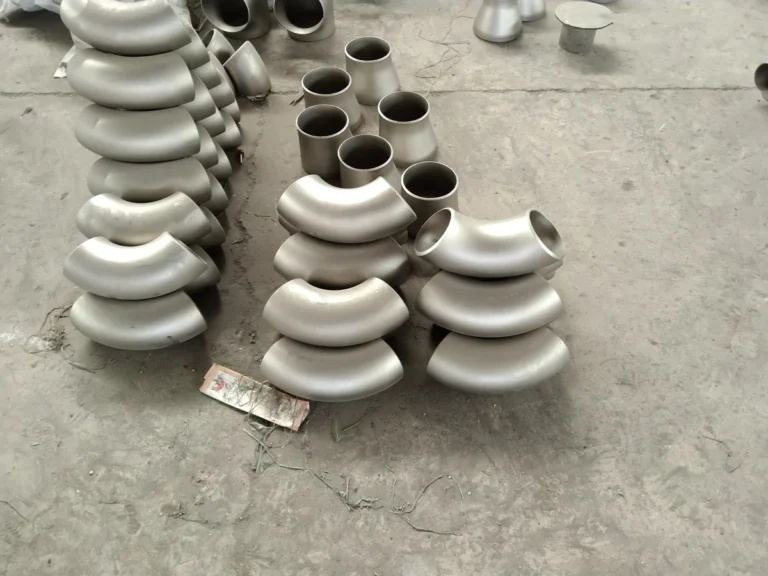
In pipeline engineering, standard elbows can meet the vast majority of conventional requirements. However, when a project imposes special demands on bending radius, wall thickness, or dimensions, custom seamless elbows become a necessary choice. Today, we share the processing process and key considerations for non-standard size seamless elbows through a real client customization case.
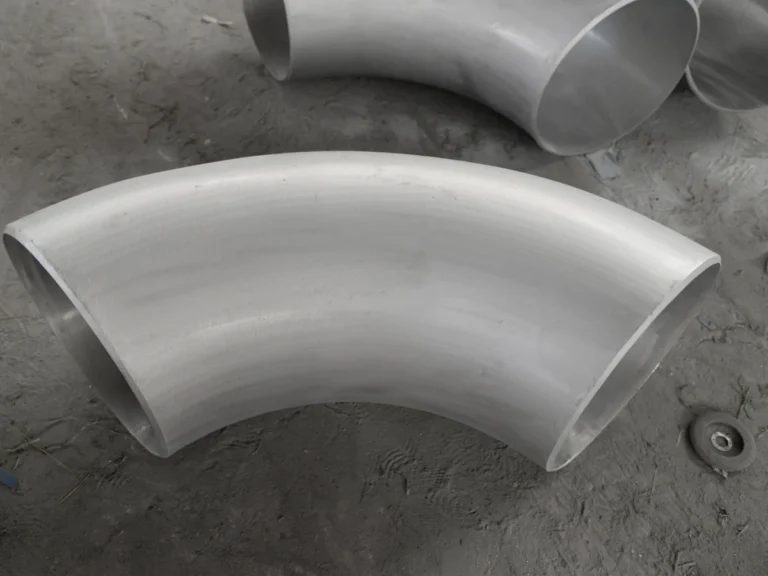
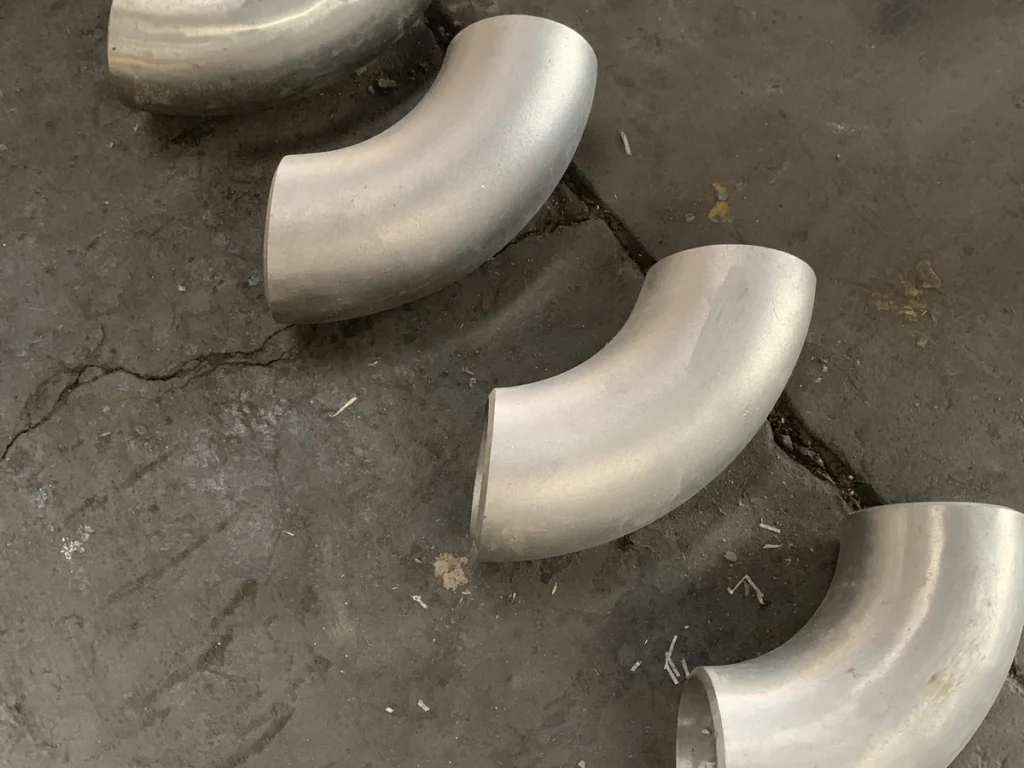
Product Overview This custom seamless elbow case uses the radius designation 2.1D and the size notation 68×4. Confirm the outside diameter, wall thickness and units represented by 68×4 on the approved drawing. For 2.1D, define D and state the center-line radius with units; do not substitute a 1.5D or 1D configuration without design approval.
Customization Challenges and Solutions Since this size is not a conventional model, existing molds could not be used directly. To ensure product precision and inner wall quality, we specially manufactured a core rod mold for the client. The use of the core rod mold effectively controls wall thickness reduction and ovality during the elbow forming process, ensuring the finished product meets design requirements.
In actual production, we strictly control the following key aspects:
- High-quality seamless steel pipes are selected as raw materials to ensure material quality and wall thickness meet standards.
- Precise matching of the core rod mold reduces deformation during forming.
- Dimensional inspection and surface treatment are performed after forming to meet engineering application standards.
Important Reminder for Procurement and Technical Teams Assess tooling availability, order quantity, delivery requirements and total cost before placing a custom order:
For small quantities, evaluate the tooling cost and lead time before deciding whether customization is appropriate.
New tooling can add design and manufacturing costs that are spread over the order quantity. Request a quotation identifying tooling charges, unit price and lead time. Compare any alternative geometry only after the project designer confirms that it meets the installation and service requirements.
Our Recommendations
- Communicate technical parameters with the manufacturer as early as possible in the project to confirm whether existing molds are available.
- Confirm the required quantity and delivery schedule. Any alternative standard radius must be reviewed and approved by the project designer before substitution.
- Where specifications and delivery schedules permit, compare quotations for combined quantities; confirm the total cost rather than assuming a larger batch is always preferable.
As a professional manufacturer of pipeline fittings, we review special-size inquiries against the supplied requirements. Send the elbow angle, center-line radius with units and the definition of D, outside diameter, wall thickness, material grade and quantity. Include the applicable specification, drawing number and revision, end preparation, tolerances, inspection requirements and delivery date.